


BEIRUT-(ILO News)- The International Labour Organization (ILO), through its Employment-Intensive Infrastructure Programme (EIIP), funded by the German Government through KfW Development Bank, conducted a one-day capacity-building training attended by representatives from the Ministry of Agriculture and the Ministry of Public Works and Transport.
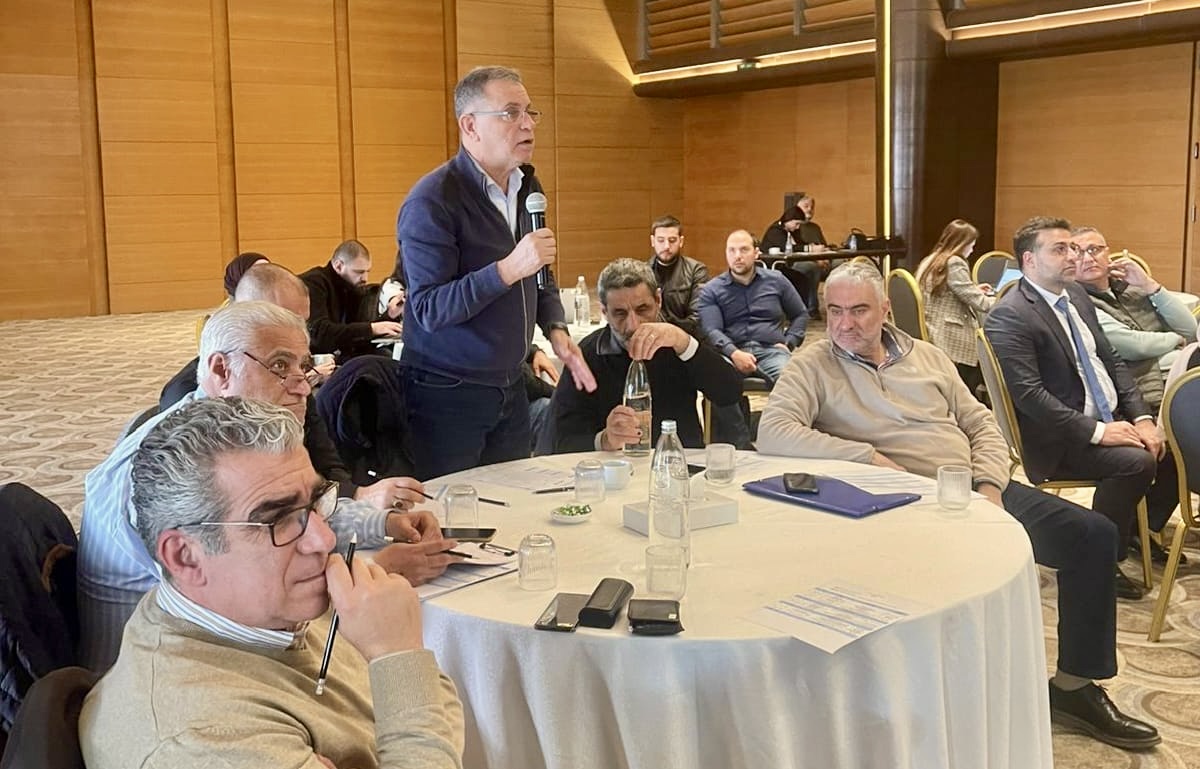
The training introduced participants to the EIIP approach and promoted the integration of environmental and social safeguards, and labour-based methodologies into public infrastructure projects. The session aimed to pave the way for closer collaboration with ministries and the public sector, supporting the institutionalization of relevant methodologies.
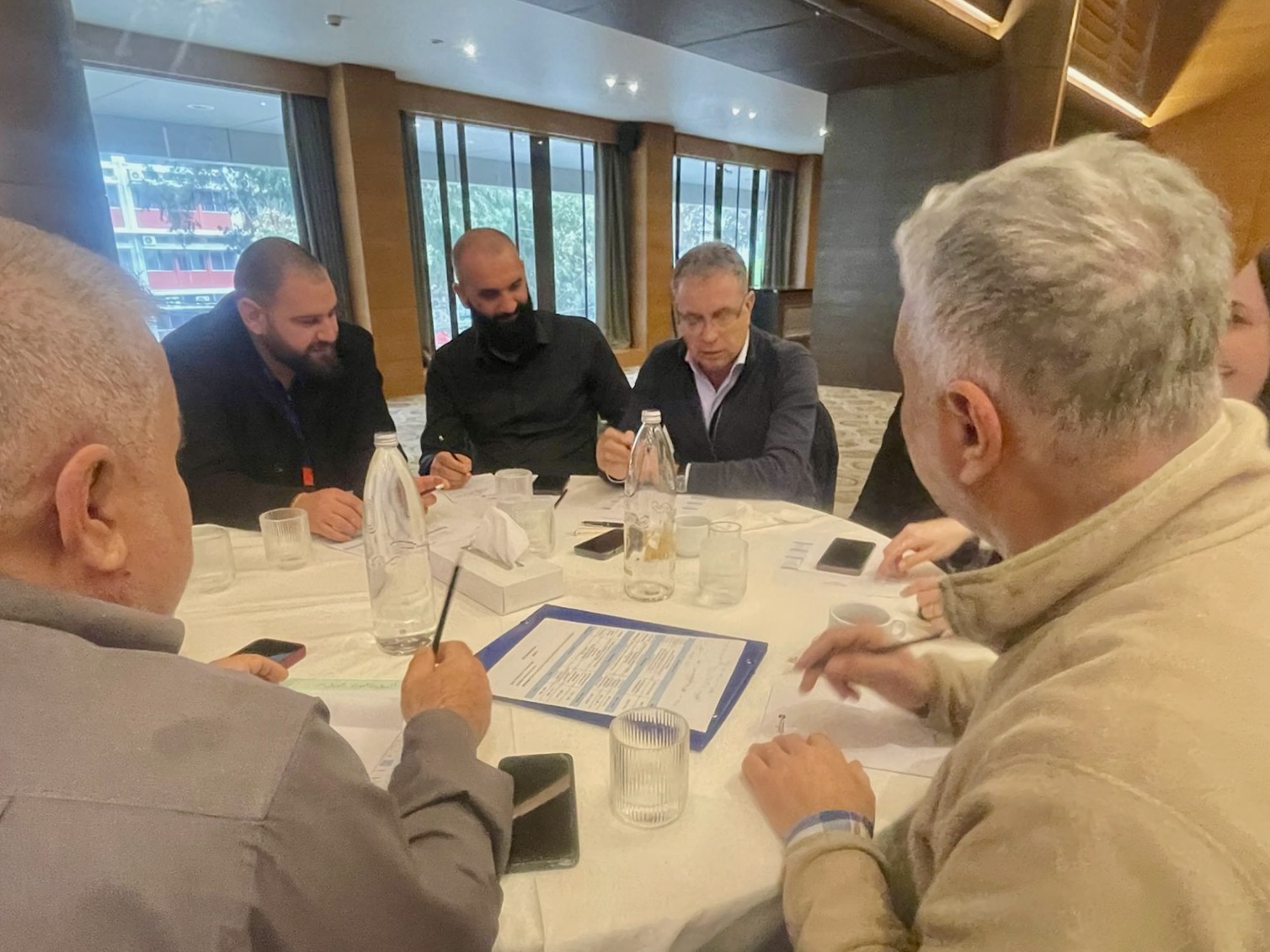
Throughout the day, technical staff explored how labour-based methods can be applied in public projects while ensuring safe work sites, environmental responsibility and social safeguarding. Particular emphasis was placed on occupational safety and health (OSH), decent working conditions and the inclusion of vulnerable groups.
Additional modules covered the management of labour-based works, reporting and monitoring modalities, as well as contract and budget management procedures, providing participants with practical insights into the operational and administrative aspects of EIIP implementation. The training concluded with an interactive exchange on how these approaches can be integrated within ongoing and future public works initiatives. Participants noted that the workshop strengthened dialogue and shared understanding, helping lay the foundation for closer collaboration between the ILO and public institutions in promoting safe, inclusive and employment-rich infrastructure development.
This training is part of the ILO’s continued efforts to support national institutions in adopting employment-intensive approaches that deliver both infrastructure and jobs. By strengthening the capacities of line ministries, the EIIP contributes to more inclusive, resilient, and employment-intensive public investment strategies in Lebanon.


.svg)
